
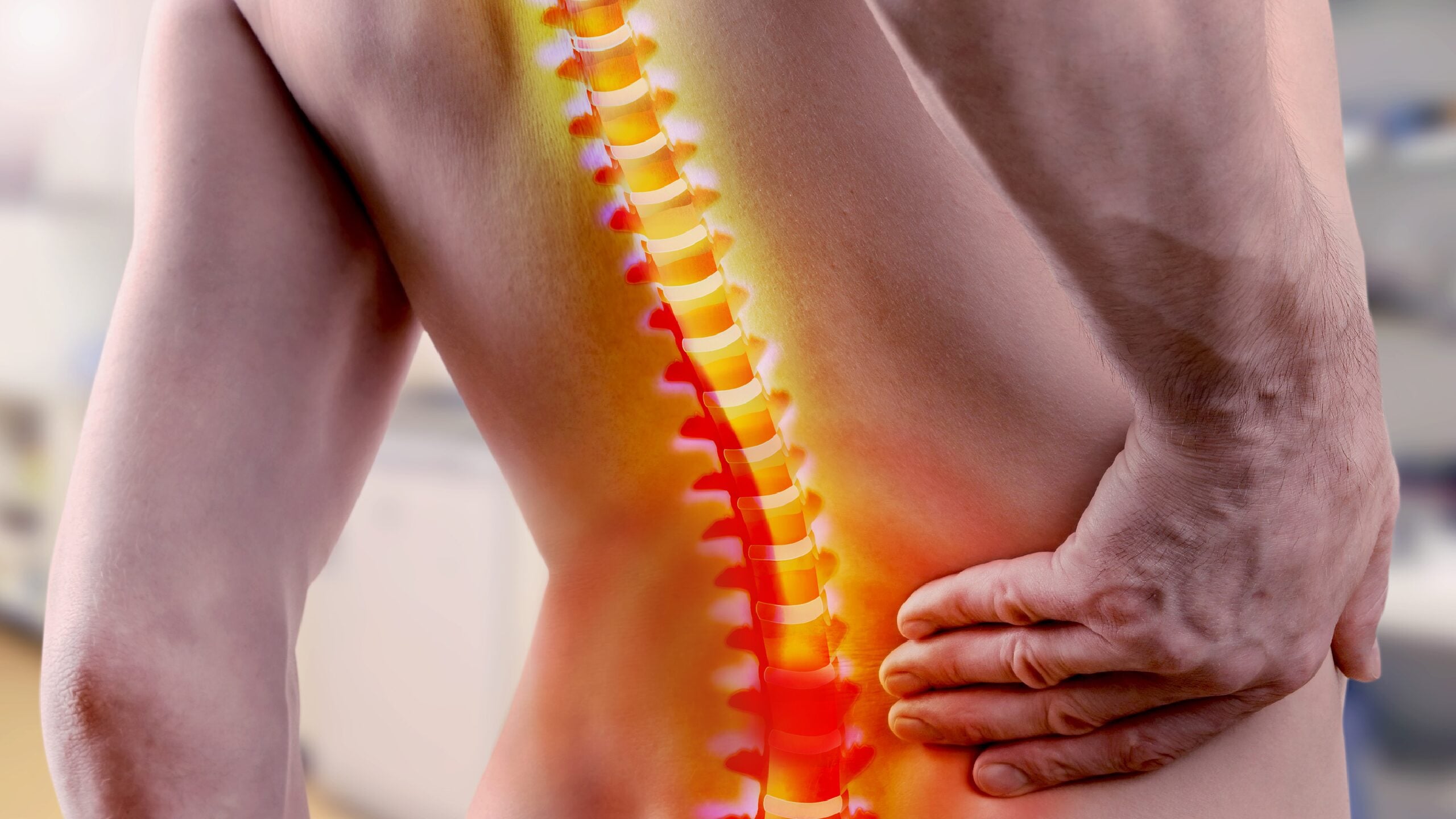
If you’ve been told your low back pain is because your spine is “out of place,” “misaligned,” or “needs to be put back in,” you’re not alone.
That explanation sounds logical.
But for most people with common low back pain, that’s not how the spine works.
Let’s walk through what research actually shows, why imaging findings can be misleading, and why your body is far more resilient and adaptable than you’ve been led to believe.
Does the Spine Really “Go Out of Place”?
In routine, non-traumatic low back pain, your vertebrae are not slipping in and out of place.
True structural shifts do exist, such as spondylolisthesis, but those are specific diagnoses with measurable findings and clinical patterns. They are not the usual explanation for everyday back flare-ups.
For most people:
- Your spine is stable.
- Your back is not “out.”
- Pain is not the result of a bone needing to be put back in.
What Imaging Actually Shows (Even in People Without Pain)
Here’s where things get interesting.
A large systematic review looked at MRI findings in people with no back pain at all.¹
The results showed that age-related spinal changes are extremely common, even in completely asymptomatic individuals.
For example¹:
- Disc degeneration was present in:
- 37% of 20-year-olds
- 52% of 30-year-olds
- 68% of 40-year-olds
- 80% of 50-year-olds
- 88% of 60-year-olds
- 93% of 70-year-olds
- 96% of 80-year-olds
- Disc bulges were present in:
- 30% of 20-year-olds
- 60% of 50-year-olds
- 84% of 80-year-olds
- Disc protrusions were seen in:
- 29% of 20-year-olds
- 43% of 80-year-olds
And remember, these were people without back pain.¹
This means that findings like:
- “Degeneration”
- “Bulging disc”
- “Arthritis”
are often normal age-related changes — not a diagnosis of damage.
Because of this, the American College of Physicians recommends against routine imaging for low back pain unless there are red flags (such as significant trauma, infection concerns, cancer suspicion, or progressive neurological deficits).²
“But I Felt Something Shift…”
Many people describe:
- “My back went out.”
- “Something slipped.”
- “I felt it move.”
That sensation is real.
But what’s usually happening is:
- Muscle guarding or spasm
- Increased nervous system sensitivity
- Temporary stiffness
- Protective movement patterns
Pain can feel like instability, even when the spine is mechanically stable.

Does Manipulation “Put It Back”?
Hands-on care can absolutely help reduce pain.
But research shows the mechanism is not bones being physically realigned.
One imaging study examining spinal manipulation found no meaningful change in joint position following treatment, even when symptoms improved.²
In other words:
People often feel better because:
- Sensitivity decreases
- Muscles relax
- Confidence improves
- Movement tolerance increases
Not because something was “put back in.”
The Most Important Part: Your Back Is Resilient
Your spine is strong.
It is designed to:
- Bend
- Rotate
- Lift
- Carry load
- Adapt to stress
The body responds to progressive loading by becoming more capable.
Muscles strengthen.
Tissues remodel.
The nervous system becomes less protective.
This is why clinical guidelines recommend non-drug, movement-based treatments as first-line care for most low back pain.²
The goal is not lifelong protection.
The goal is building capacity.

What Actually Helps Most Low Back Pain
Instead of chasing alignment, focus on what improves outcomes:
1. Keep Moving (Within Tolerance)
Complete rest often prolongs recovery.
2. Gradually Build Strength
Target:
- Glutes
- Hips
- Trunk endurance
- Controlled bending and lifting
3. Progressively Reload
Avoid the “boom-bust” cycle.
Expose your back to load gradually so it adapts.
4. Address Contributing Factors
Sleep, stress, workload, and overall conditioning matter.
When Back Pain Needs Urgent Evaluation
Seek medical attention promptly if you experience:
- Loss of bowel or bladder control
- Saddle numbness
- Progressive leg weakness
- Major trauma
- Fever with back pain
- Unexplained weight loss
Most back pain is not dangerous, but these symptoms require evaluation.
Low Back Pain Treatment in Akron–Canton
At Vitality Physical Therapy, we help active adults move past low back pain without fear-based narratives or endless “realignment” visits.
We focus on:
- Identifying what’s driving your symptoms
- Building a progressive plan
- Restoring strength and capacity
- Helping your back become more resilient over time
Your back is not out of place.
It’s adaptable.
And with the right plan, it can become stronger than before.
Medical Disclaimer
This article is for educational purposes only and is not intended to serve as medical advice, diagnosis, or treatment. Every individual’s condition is unique. If you are experiencing persistent, worsening, or concerning symptoms, consult a qualified healthcare professional for an individualized evaluation.
References
- Brinjikji W, Luetmer PH, Comstock B, et al. Systematic literature review of imaging features of spinal degeneration in asymptomatic populations. AJNR Am J Neuroradiol. 2015;36(4):811-816. doi:10.3174/ajnr.A4173
- Chou R, Qaseem A, Owens DK, Shekelle P; Clinical Guidelines Committee of the American College of Physicians. Diagnostic imaging for low back pain.

I’m Dr. Kayla Kerek
At Vitality Physical Therapy, we believe in empowering our clients to take charge of their health and wellness journey. Our dedicated team is here to provide personalized care tailored to your unique needs. Whether you’re recovering from an injury, looking to enhance your athletic performance, or simply seeking to improve your overall well-being, we are committed to helping you achieve your goals.
Check out the latest from Vitality Physical Therapy!